 (443) 394-2273
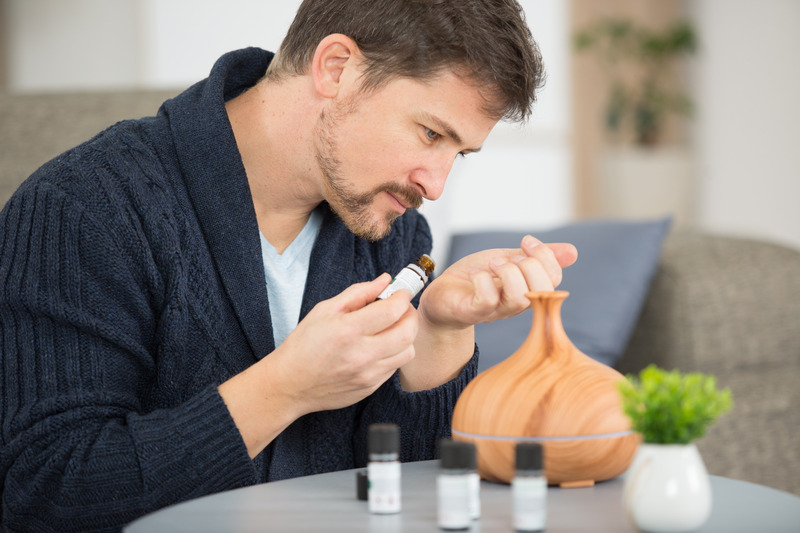
Sleep apnea is so disruptive that those who have it might try anything to find relief. Today, advice is everywhere, and not all of it is trustworthy. Take essential oils, for example. Many claim that certain scents can help you sleep better at night. But can they actually help with sleep apnea, or is this pure medical misinformation? Continue reading to learn more about this sleep disorder and whether essential oils could help with treatment.
What Is Sleep Apnea?
Sleep apnea is a condition where your breathing repeatedly stops or becomes very shallow throughout the night. This can cause loud snoring, gasping, morning headaches, and foggy, daytime fatigue.
More importantly, when left untreated, this sleep disorder increases the risk of high blood pressure, heart disease, and other serious health issues. So, it’s not just “bad snoring”—it’s a medical condition that needs real treatment.
What Essential Oils Can’t Do
While essential oils can make it easier to fall asleep, they’re not a replacement for professional treatment. They can’t prevent your airway from collapsing, which is the main problem in obstructive sleep apnea. They also can’t stop any tongue or throat tissues from blocking airflow.
This means that even if you feel like you sleep better, your breathing is still being interrupted, and your body is still under stress when it should be recovering.
What Essential Oils Can Do
If you’re looking for a more “natural” approach to your sleep apnea treatment, some essential oils may help as a supplement. For example, lavender can be used to promote relaxation, while eucalyptus or peppermint can soothe your sinuses.
When used safely in a diffuser or diluted on your skin, they could help you unwind or reduce mild stuffiness. There’s no harm in using oils as part of your bedtime routine as long as you’re aware of their limitations.
Professional Treatment Still Matters
Even with an improved routine, sleep apnea requires proper diagnosis and treatment. This can come in many forms based on the type of sleep apnea you have and its severity.
Many patients see success with a CPAP machine, while others find them too restrictive. Alternatively, you can talk to your dentist about getting a custom oral appliance that helps position your jaw as you sleep.
Essential oils can be a pleasant addition to your sleep apnea treatment, but they should never replace professional care. If you suspect sleep apnea—or already have a diagnosis—always talk with your dentist about the safest, most effective options. Your health and quality of life are worth it.
About the Author
Dr. Monica Mattson is a proud dentist and veteran who graduated with honors from Case Western Reserve University School of Dental Medicine. After completing a General Practice Residency at Naval Hospital Camp Pendleton and serving eight years in the US Navy, she continued her commitment to excellence as President of the Baltimore County Dental Association. Call (443) 394-2273 to schedule a sleep apnea consultation at Diamond Dental of Owings Mills or visit our website to explore other services.